The Lanes, Brighton
Bridging Loans The Lanes, Brighton
The Lanes form the historic core of Brighton, the medieval fishing-village street pattern that sits between North Street and the seafront at Old Steine. We arrange specialist bridging finance across the listed Regency and Georgian stock that dominates this part of BN1, from narrow flats above retail on Ship Street and Meeting House Lane to the larger period buildings along East Street, Black Lion Street and the Brighton Square fringe. The Lanes carry the city's tightest mix of conservation-area constraints and high owner-occupier value, which shapes both the lender shortlist and the typical deal profile.
The Lanes median
£415,000
BN1 postcode area
Recent sales tracked
6
Land Registry, last 24 months
Dominant stock type
Flat
50% of recent transactions
Indicative monthly rate
0.55–1.5%
Subject to LTV, exit and security
The area
The Lanes in context.
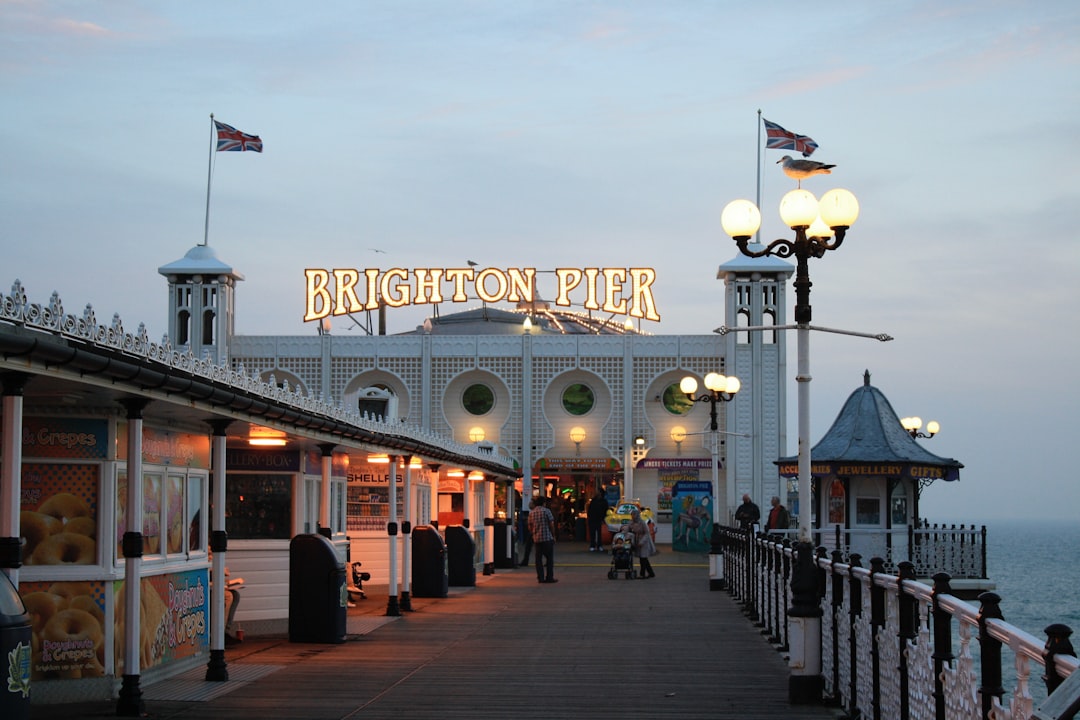
The Lanes occupy the original Brighthelmstone fishing village, a tight grid of narrow alleys and twittens running between the seafront and North Street. The Royal Pavilion sits a short walk north across Old Steine, marking the boundary with the Pavilion Quarter, and Brighton Pier closes the southern edge at the bottom of Old Steine. Brighton Town Hall, the Brighton Square jewellery quarter and the Argus office sit within or immediately around the area, and the listed runs along Ship Street, Black Lion Street and Prince Albert Street carry the city's densest cluster of conservation-grade stock.
The streetscape is largely Regency and early Victorian, with a long retail tradition spanning antiques, jewellery and independent food. Listed status applies across most of the central blocks, with restrictive covenants and conservation-area consents shaping any works package. Above retail, much of the stock has been converted to flats over time, with leasehold lengths and service-charge regimes that vary considerably between buildings. The Lanes carry the city's strongest owner-occupier and short-let premium tier, supported by walking access to the seafront, the Pavilion gardens and the North Laine retail spine immediately to the north.
Sold-data signal
Property market in The Lanes.
The Lanes sit inside BN1, where the BN1 postcode-area median sold price is around £415,000. That headline understates the historic core, where Regency flats, listed conversions and period houses trade well into the £450,000 to £900,000 band, with the upper end stretching above £1.2 million for the best East Street and Ship Street examples. Recent BN1 sales we track include a Highcroft Villas flat at £327,500, a Tongdean Lane flat at £267,000, a Robertson Road flat at £362,500 and a Campbell Road terrace at £475,000, illustrating the wider BN1 spread between inland flats and the historic-core premium.
Property type split in the Lanes itself leans heavily on flats and listed period buildings, with very limited terraced or semi-detached stock. Listed-building status, conservation-area consents and leasehold considerations shape both the valuation work and the lender appetite, with surveyors particularly attentive to listed-building consent history, lease length, and any pending works. Most bridging deals in The Lanes sit between £250,000 and £750,000.
Deal flow
Bridging activity in The Lanes.
Two archetype deal flavours dominate the Lanes book. First, chain-break bridging for owner-occupiers trading between Lanes flats or moving up from a smaller historic-core property to a larger period building. These are regulated cases, passed to our regulated partner firms, with rates from 0.55% per month and typical LTVs of 65 to 70%. Terms run 6 to 12 months against the open-market sale of the borrower's existing home.
Refurbishment bridging on period stock requiring sympathetic
refurbishment bridging on period stock requiring sympathetic restoration. Listed-building consent and conservation-area planning add time to the project, so we structure terms at 12 to 18 months with stage drawdowns against monitoring inspections rather than the standard 9-month refurb timetable. Rates sit at 0.85 to 1.25% per month depending on the scale of works.
Capital-raise bridging against unencumbered Lanes period stock
Capital-raise bridging against unencumbered Lanes period stock forms a third recurring stream. Long-standing owners with mortgage-free Regency houses raise second-charge facilities to fund deposit on the next city acquisition or to extend an existing project. Typical loan band £250,000 to £700,000, 55 to 60% LTV, rate 0.85 to 1.05% per month, term 6 to 12 months. The exit lands on the sale of the funded asset, or on a residential remortgage once the works complete.
Auction completions are a fourth
Auction completions are a fourth, smaller stream. Probate sales of period flats and occasional repossessions at the higher price band do come through the Brighton, Clive Emson and London rooms, and we have completed 14-day timetables on Lanes flats sold at auction using title insurance to bridge the search shortfall and a streamlined valuation against the lender's panel surveyor.
Streets and postcodes
Named streets we work across.
The Lanes sit in BN1 1, with the historic core covering Ship Street, Black Lion Street, Prince Albert Street and Brighton Square running south to the seafront, Meeting House Lane and Brighton Place threading the medieval grid, and East Street running north to North Street.
Postcode areas
Streets in our regular bridging flow (14)
Read the full The Lanes geography note ›
The Lanes sit in BN1 1, with the historic core covering Ship Street, Black Lion Street, Prince Albert Street and Brighton Square running south to the seafront, Meeting House Lane and Brighton Place threading the medieval grid, and East Street running north to North Street. The retail and food spine continues into Bond Street, Duke Street and Market Street, with the listed runs along Pool Valley and Bartholomew Square closing the southern edge near Brighton Town Hall. Old Steine forms the eastern boundary with the Pavilion Quarter, and North Street runs along the northern edge towards Western Road. Recent BN1 sold-data points include the Lanes-adjacent Highcroft Villas at £327,500 for a flat and Robertson Road at £362,500, indicative of the band most owner-occupier and small-investor bridges sit within at the inland end of BN1.
Demand drivers
Transport and rental demand.
The Lanes have the city's tightest road network and almost no off-street parking, both of which feed value into stock with garage access or any private parking. Brighton railway station sits a 10-minute walk north along Queens Road, with direct services to London Victoria and London Bridge typically inside 60 minutes, plus coastal services to Lewes, Eastbourne, Hastings and west to Worthing. The A23 lifts north from Old Steine towards the M23 and the M25.
Demand drivers are the historic-core tourism economy at Brighton Pier, the Royal Pavilion and the seafront, the independent retail and food cluster running through The Lanes and North Laine, the walking access to Brighton Beach and Madeira Drive, and the strong owner-occupier draw of period living within minutes of the seafront and the central office cluster. The American Express headquarters at Edward Street and the city's creative and digital agency cluster supply a steady professional-tenant pool for the rental flats inside the conservation area, with short-let demand from the visitor economy adding a secondary layer.
Recent work
Our work in The Lanes.
Recent Lanes deals include a £620,000 chain-break bridge on a Ship Street owner-occupier upsizing within the historic core, arranged as a 9-month regulated facility passed to our regulated partner firm at 0.65% per month. We also funded a sympathetic refurbishment of a listed Black Lion Street townhouse with a 12-month bridge at 0.95% per month and 65% LTV, structured around staged works inspections to release tranches as listed-building consent items were signed off. A third recent case arranged a 6-month bridge on a Meeting House Lane conversion flat purchased at auction for £415,000, completing in 11 days with title insurance.
A fourth case raised £380,000 second-charge against an unencumbered Prince Albert Street period building for the borrower's deposit on a Kemptown seafront acquisition, structured as a 9-month bridge at 0.95% per month and 55% LTV, exited cleanly on completion of the onward sale. The case illustrates a steady pattern in The Lanes: long-term owners with substantial equity using short-term capital raises to move quickly on the next opportunity without disturbing the existing residential mortgage on the historic-core home.
Land Registry, recent sold prices
The Lanes sold-price evidence
The most recent registered transactions across the BN1 postcode area, drawn from HM Land Registry Price Paid Data. Underwriters and valuers work from this evidence on every The Lanes bridge we arrange.
BN1 median
£415,000
| Date | Street | Postcode | Type | Sold price |
|---|---|---|---|---|
| Mar 2026 | Highcroft Villas | BN1 5PZ | Flat | £327,500 |
| Mar 2026 | Campbell Road | BN1 4QD | Terraced | £475,000 |
| Mar 2026 | Robertson Road | BN1 5NJ | Flat | £362,500 |
| Mar 2026 | Tongdean Lane | BN1 6XZ | Flat | £267,000 |
| Mar 2026 | Hythe Road | BN1 6JS | Semi-detached | £460,000 |
| Mar 2026 | Greenfield Crescent | BN1 8HJ | Semi-detached | £295,000 |
Source: HM Land Registry Price Paid Data, last refreshed for the Brighton network in the trailing 24-month window. Bridging facilities are priced against the open-market value at the time of underwriting, not at the historic sold price.
Brighton coverage
Where we work across Brighton.
The Lanes sits inside a wider Brighton bridging book. Click any marker to step into another area we cover.
FAQs
The Lanes bridging questions
Can you bridge a listed building in The Lanes?
+
Yes. Listed status does not preclude bridging, but it does narrow the lender panel and shape the valuation. We use lenders comfortable with Grade II listed residential, expect a chartered surveyor familiar with listed Regency work, and build extra term into the bridge to absorb listed-building consent timetables. Heavy refurbishment on listed Lanes stock usually runs 12 to 18 months rather than the standard 9.
Is bridging in BN1 always regulated?
+
No. BN1 includes both owner-occupier homes, which are regulated when bridged, and investment stock, which is not. Regulated bridging on a borrower-occupied Lanes home is passed to our regulated partner firm. Unregulated bridging on investment property, buy-to-let or refurbishment stock in BN1 we arrange directly with the lender, typically at 0.75 to 1.05% per month and 70 to 75% LTV.
Tell us about the deal
Talk to a The Lanes bridging specialist.
Quick triage call, indicative lender terms inside 24 hours. We cover every BN postcode and the wider East Sussex property market.
Next step
Talk to a Brighton bridging specialist.
Indicative terms in 24 hours. We work on most cases within East Sussex on a same-day enquiry response and complete in 7 to 21 days where the title and valuation cooperate.